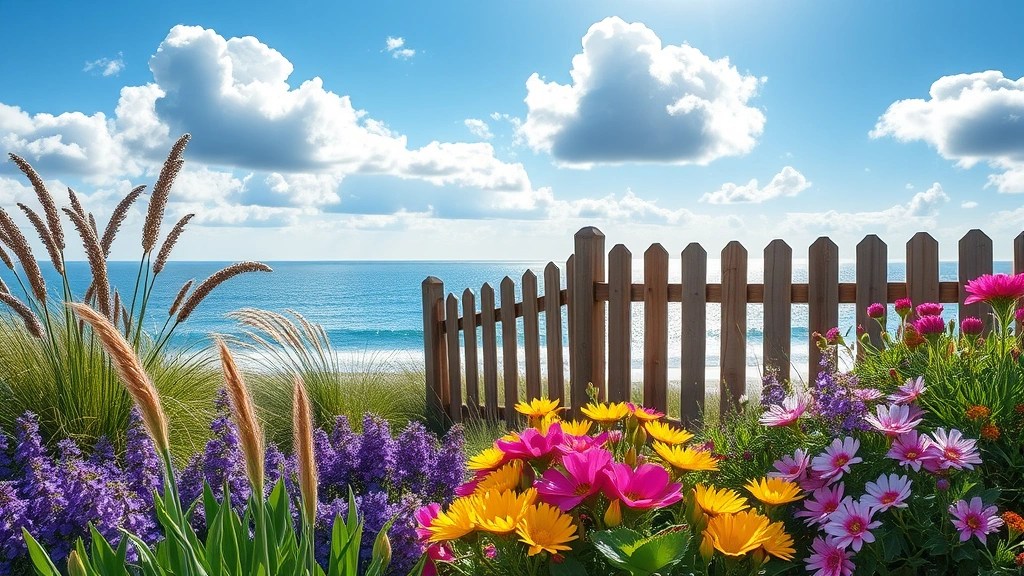
Spring is a magical time for coastal gardeners, where the refreshing breeze meets the salty sea air, promising vibrant blooms and lush greenery.
As the temperatures rise, it’s time to prepare your garden and yard for a thriving spring.
This guide will share 13 essential tips tailored for coastal areas, helping you embrace the beauty of your surroundings while creating a flourishing garden that withstands the unique coastal challenges.
Get ready to transform your outdoor space with salt-resistant plants, windbreaks, and expert techniques that will have your garden bursting with life!
Contents
- 1. Choose Salt-Resistant Plants
- 2. Create Windbreaks
- 3. Test Your Soil
- 4. Implement Mulching Techniques
- 5. Plan for Irrigation
- 6. Choose the Right Time to Plant
- 7. Incorporate Native Plants
- 8. Protect Against Pests
- 9. Create a Coastal Container Garden
- 10. Utilize Raised Garden Beds
- 11. Focus on Seasonal Blooms
- 12. Embrace Vertical Gardening
- 13. Enjoy Your Outdoor Space
1. Choose Salt-Resistant Plants

Selecting the right plants is essential for creating a thriving coastal garden.
Consider investing in sea oats seeds, which are specially adapted to sandy soils and can withstand salt spray.
Another excellent choice is beach lavender seeds, known for their beautiful blooms and ability to thrive in coastal conditions.
Incorporating these salt-resistant varieties not only ensures the survival of your garden but also introduces unique textures and vibrant colors to your landscape.
Furthermore, consider a complete native coastal plant collection to enhance local biodiversity, attract beneficial pollinators, and support wildlife in your coastal environment.
2. Create Windbreaks

Wind can pose a significant challenge for gardeners in coastal areas, making the establishment of windbreaks crucial for success.
By planting resilient shrubs or trees such as juniper seedlings or pine tree saplings, you can create an effective barrier against strong gusts.
These plants not only provide protection for your more delicate flowers and vegetables but also help to retain moisture in the soil, promoting a healthier garden environment.
For those looking for a complete solution, consider investing in garden windbreak kits, which often include a variety of plants designed to work together for maximum wind resistance and aesthetic appeal.
Implementing a combination of tall and low plants will create a layered effect, ensuring both optimal protection and visual interest in your coastal garden.
3. Test Your Soil

Soil quality plays a crucial role in the success of your gardening efforts, particularly in coastal regions where the soil tends to be sandy and often lacks essential nutrients.
To start, it’s important to conduct a soil test to assess the pH levels and nutrient content of your soil. This information will enable you to make informed decisions about the necessary amendments to optimize your soil health.
Incorporating organic compost into your soil can significantly enhance its structure and fertility, providing a better environment for your plants to flourish.
Additionally, it’s a good practice to test your soil regularly, as this will help you fine-tune your gardening methods and ensure that your coastal plants receive the best possible care. Don’t forget to wear durable gardening gloves to protect your hands while working in the soil!
4. Implement Mulching Techniques

Mulching is an essential practice for gardeners, especially in coastal regions where maintaining moisture in the soil is crucial.
By applying a layer of organic mulch, such as wood chips or straw, you can effectively retain soil moisture, suppress weeds, and help regulate temperature.
This technique is particularly advantageous during dry spells, as the salty air can quickly dry out the soil.
Additionally, using a garden mulch spreader can make the application process easier and more efficient.
As the mulch decomposes, it enriches the soil, fostering healthy plant growth, and if you’re looking for a great source of mulch, consider using straw bales to enhance your garden’s vitality.
5. Plan for Irrigation

Coastal gardens often encounter specific watering challenges due to the quick drainage of sandy soils and the evaporation effects from salty air.
To ensure your plants receive the moisture they need, it’s essential to plan an effective irrigation system.
Consider using a drip irrigation kit or water timer to deliver water directly to the root zone, which minimizes water loss and maximizes efficiency.
Additionally, watering your garden early in the morning or late in the evening will help reduce evaporation rates, ensuring your plants remain well-hydrated throughout the day.
6. Choose the Right Time to Plant

Timing is crucial for successful spring gardening in coastal regions.
To maximize your planting efforts, it’s essential to understand your local frost dates and the specific climate trends that affect your area. Utilizing a frost date calendar can be invaluable in determining when to safely start planting your hardy coastal plants after the last frost.
Additionally, keeping a garden planner notebook at hand allows you to jot down important dates and observations throughout the planting season.
For more in-depth insights, consider consulting a planting guidebook that outlines seasonal trends specific to your region, ensuring your garden thrives while minimizing the risks associated with unexpected late frosts.
7. Incorporate Native Plants

Incorporating native plants into your coastal garden is an excellent strategy to boost biodiversity and foster a sustainable ecosystem. These plants have evolved to thrive in local conditions, which means they typically require less water and maintenance than non-native species.
By choosing native varieties, such as those available in this native plant seeds collection, you can cultivate a vibrant garden that flourishes with minimal effort year after year.
Additionally, native plants play a crucial role in supporting local wildlife, offering essential food and habitat for birds, butterflies, and beneficial insects. To attract even more pollinators to your garden, consider using a butterfly garden kit or a pollinator-friendly plant collection, both of which can enhance the beauty and ecological value of your outdoor space.
8. Protect Against Pests

Coastal gardens are often a haven for various pests, so adopting a proactive pest management strategy is crucial for maintaining the health of your plants.
Utilize natural deterrents such as neem oil pesticide and insecticidal soap to effectively keep unwanted insects at bay.
Additionally, consider companion planting as a method to enhance your garden’s natural defenses.
You can also introduce beneficial insects like ladybugs by using a ladybug release kit, which can help naturally regulate pest populations.
Regular monitoring of your garden and early intervention will go a long way in ensuring your plants remain healthy and thriving throughout the growing season.
9. Create a Coastal Container Garden
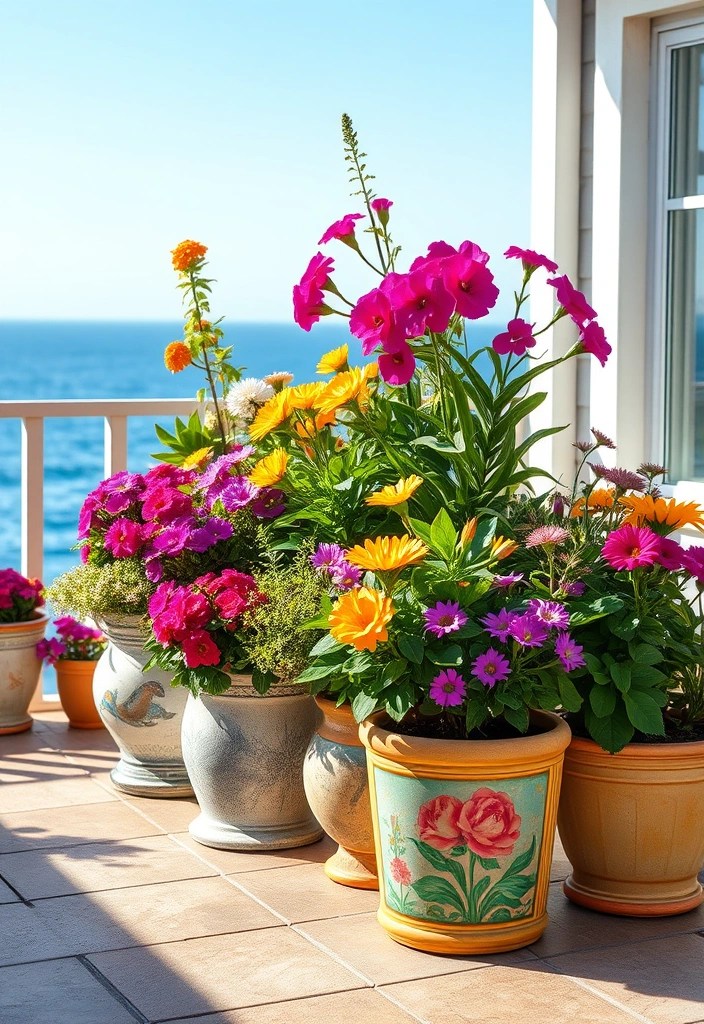
Container gardening offers a fantastic solution for coastal gardeners dealing with limited space or sandy soil conditions. By utilizing large pots or raised beds, you can establish a portable garden that provides enhanced control over soil quality and moisture retention, which is essential for thriving plants in a coastal environment.
To set up your container garden, consider using a specially formulated container gardening soil mix that ensures optimal drainage and nutrient availability.
When selecting your containers, opt for salt-resistant materials such as fiberglass or ceramic, which are designed to withstand the coastal elements.
Don’t forget to equip yourself with the right tools! A good set of planting hand tools will make planting and maintenance a breeze.
Mix and match a variety of plants for a stunning display, and enjoy the flexibility of being able to move your garden as weather conditions change.
10. Utilize Raised Garden Beds

Raised garden beds are an excellent solution for coastal gardening, providing superior drainage and enhanced soil control. By constructing a raised bed, you can tailor the soil mix to suit the specific needs of your plants, ensuring they thrive in optimal conditions. You might want to consider purchasing raised garden bed kits for convenience and ease of setup.
Additionally, the elevation of these beds offers better protection against the harsh elements of coastal environments, such as strong winds and salt spray, which can be detrimental to traditional gardens. For a sustainable and durable option, think about using untreated wood boards or composite materials. Lastly, don’t forget to fill your raised beds with a quality soil mix for raised beds to give your plants the best chance to grow and flourish!
11. Focus on Seasonal Blooms
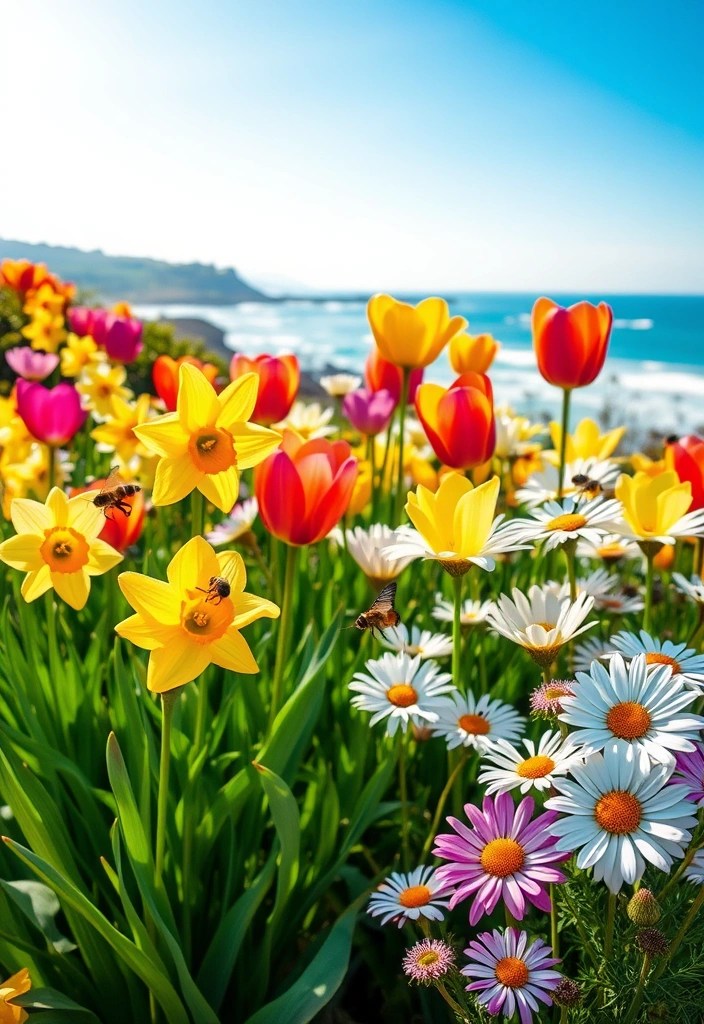
Selecting plants that bloom in succession throughout the spring is essential for maintaining a vibrant and colorful coastal garden.
By incorporating a variety of early, mid, and late-spring bloomers, such as daffodil bulbs and beach daisy seeds, you can create a stunning display that flourishes in coastal conditions.
This thoughtful approach not only enhances the visual appeal of your garden but also attracts pollinators and beneficial insects, promoting a healthy ecosystem.
With a well-planned selection of blooming plants, your garden will remain lively and inviting throughout the entire spring season.
12. Embrace Vertical Gardening

Vertical gardening is an excellent approach for maximizing space and adding visual appeal to your coastal garden. By incorporating vertical garden trellises, you can create a stunning backdrop for your plants while saving precious ground space.
Consider using wall planters or hanging baskets to diversify your greenery and enhance the aesthetic of your garden.
Opt for climbing plants like morning glories or coastal vines, which thrive in your climate, and consider using climbing plant seeds to cultivate a lush, vertical landscape.
This gardening method will not only introduce height and depth to your garden but also serve as a captivating focal point that draws the eye.
13. Enjoy Your Outdoor Space

Finally, take a moment to fully enjoy your stunning coastal garden this spring!
Creating a tranquil space where you can relax, unwind, and connect with nature is just as essential as the gardening tasks themselves.
Consider enhancing your outdoor area with a cozy fire pit table for those chilly evenings, where you can gather with friends and family.
Additionally, adding colorful outdoor cushions can provide comfort and a pop of color, making your seating area even more inviting.
By thoughtfully creating this welcoming outdoor space, you’ll not only enhance your gardening experience but also craft cherished memories with loved ones.
Conclusion
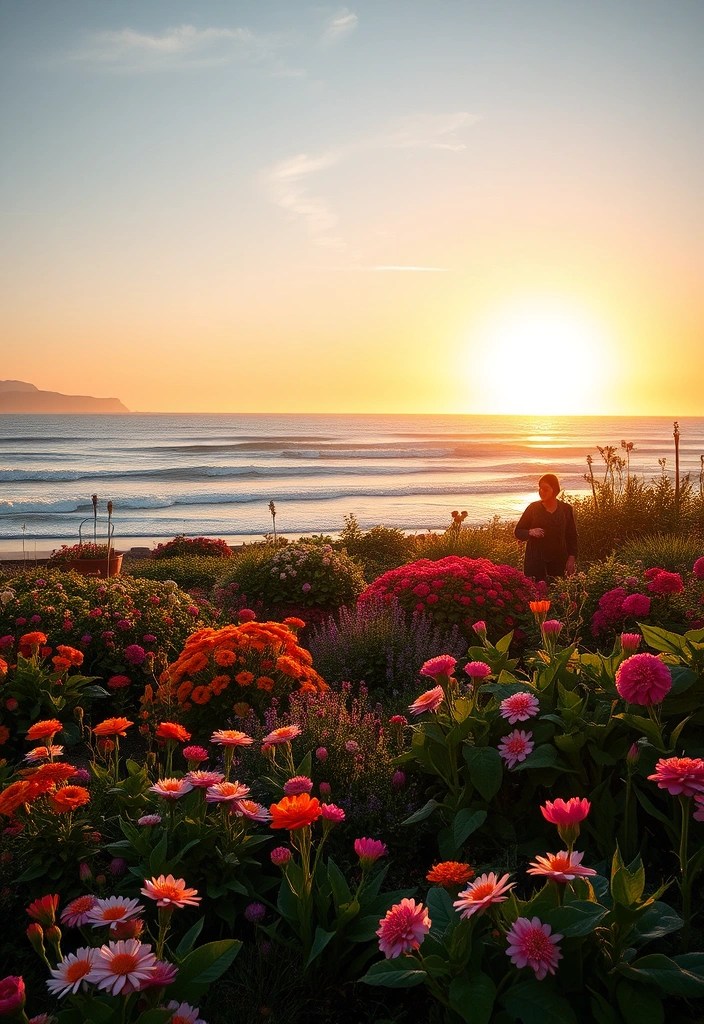
Spring gardening in coastal areas is a rewarding endeavor that allows you to embrace the beauty of your environment while creating a thriving outdoor oasis.
By implementing these tips, you can cultivate a garden that withstands the challenges of coastal conditions, providing you with vibrant blooms and lush greenery.
So grab your gardening tools, enjoy the fresh ocean breeze, and get ready to create a stunning coastal garden this spring!
Note: We aim to provide accurate product links, but some may occasionally expire or become unavailable. If this happens, please search directly on Amazon for the product or a suitable alternative.
This post contains Amazon affiliate links, meaning I may earn a small commission if you purchase through my links, at no extra cost to you.
 Lovely Living
Leave a comment